Selling a historic home in Wash Park can feel like a balancing act. You want to honor the character that makes your home special while showing buyers a bright, functional space they can move into with confidence. With a few preservation-smart choices, you can do both and attract stronger offers. This guide walks you through what works in 80209, from curb appeal to room-by-room staging, plus timing, costs, and key rules to know. Let’s dive in.
Why Wash Park staging is different
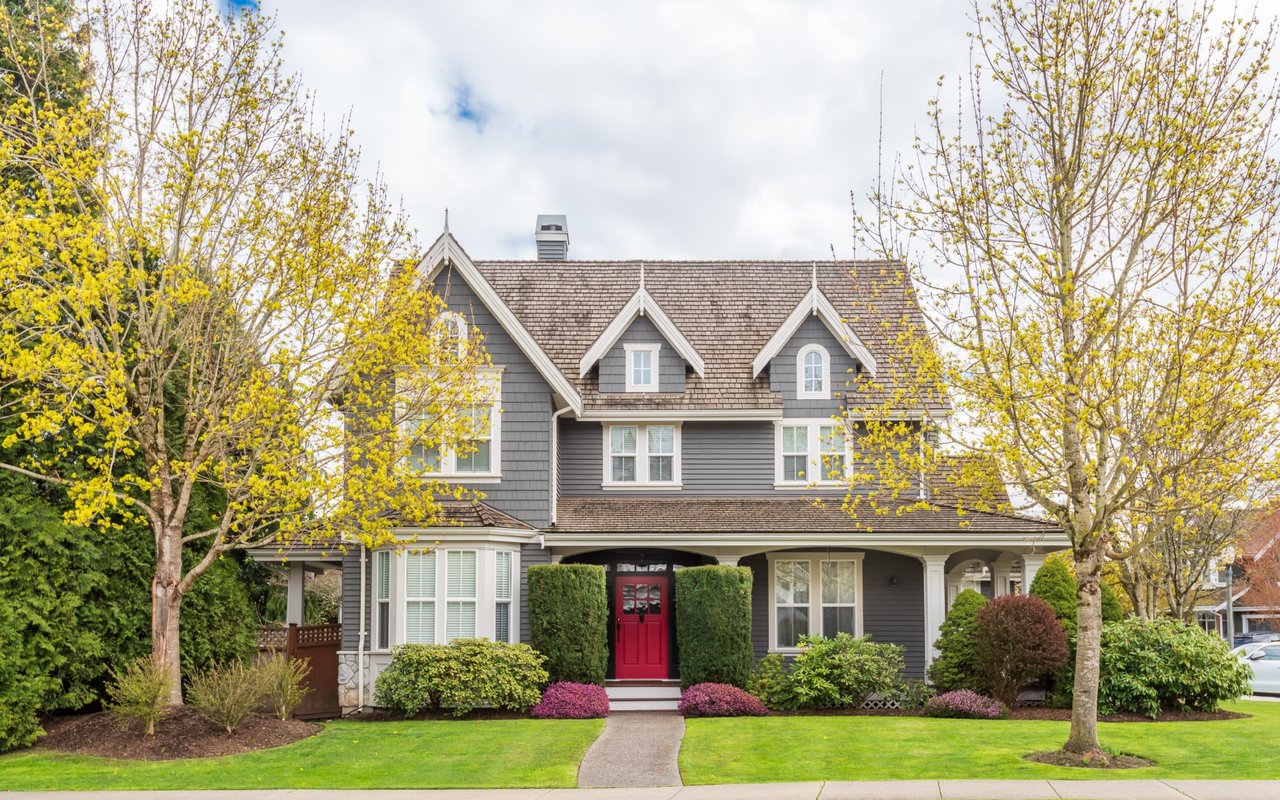
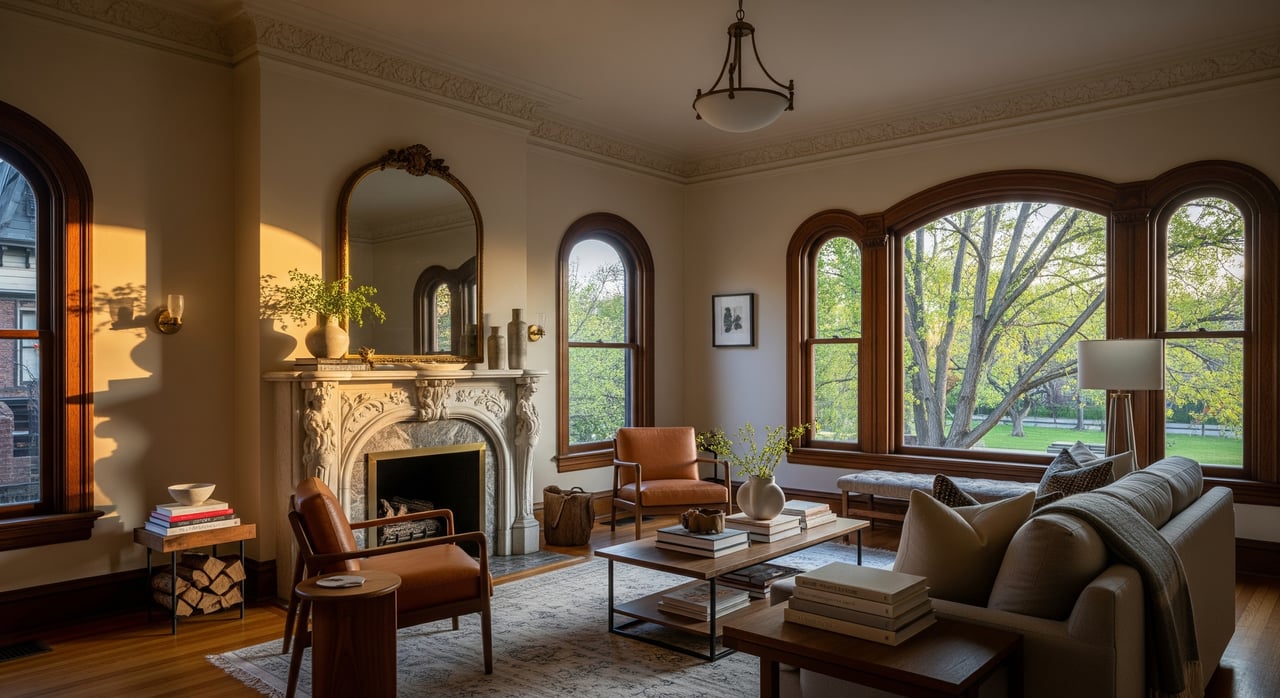
Historic homes in 80209 feature beloved details like original hardwood floors, built-ins, pocket doors, transoms, and generous front porches. Buyers here value authenticity, park access, walkability, and indoor-outdoor living. Your staging should lean into those strengths.
Seasonality matters in Denver. Spring and early summer are often the strongest selling windows, especially near Washington Park. During these months, highlight outdoor seating, greenery, and views. In winter, focus on warm lighting and cozy interiors.
The goal is simple: reveal original character, clarify how each room functions, and modernize where buyers expect it most.
Core principles that work
Respect and reveal original features
- Uncover and spotlight character elements like wood floors, trim, staircases, built-ins, and fireplaces.
- Remove décor that blocks mantels, windows, or pocket doors. Keep sightlines open.
- Choose neutral, historically sympathetic décor that complements period details.
Create clear, functional rooms
- Older layouts can feel choppy. Show a defined purpose for every space.
- If a room can serve two uses, stage one primary use and suggest a secondary zone, such as a reading nook or breakfast corner.
Balance authenticity with modern expectations
- Kitchens and baths sway buyers. Show updated lighting, clean counters, modern hardware, and well-presented appliances while keeping finishes scale-appropriate.
- Conceal modern systems where possible without removing historic trim. Be ready to disclose upgrades.
Light and color that flatter
- Use warm, high-CRI bulbs to bring out wood tones and trim detail.
- Favor neutral, period-compatible paint: soft whites, warm grays, muted greens, and earth tones.
- Increase perceived brightness without washing out character.
Scale and proportion
- Use furniture that fits older room sizes. Avoid oversized sofas and bulky headboards that overwhelm.
- Maintain clear walkways to show flow.
Connect indoors and out
- Stage porch seating, define backyard paths, and add simple potted plants.
- If you can, frame views toward Washington Park and highlight easy outdoor access.
Room-by-room strategies
Curb appeal and porch
- Repair or refresh porch floors, railings, and front door hardware.
- Clean paths, trim hedges, and touch up peeling paint.
- Add a small bistro set, a bench or swing, a period-appropriate porch light, and tidy planters.
Entry and circulation
- Keep the foyer decluttered so original floors and trim take center stage.
- Use a minimal rug and slim console. Clear sightlines to the main rooms or staircase.
Living room or parlor
- Arrange seating to feature the fireplace, built-ins, or window views.
- Layer warm textiles and rugs without hiding original floors.
- Add lamps or fixtures that suit the era instead of relying only on recessed lights.
Dining room
- Right-size the table to fit the room and show capacity.
- Keep place settings minimal and seasonal so the architecture stands out.
Kitchen
- Present clean, bright counters. Store small appliances and clutter.
- Refresh hardware, lighting, faucets, and backsplashes when possible. Consider painting cabinets in sympathetic tones.
- If space allows, stage a small eating area. Feature modern yet compatible appliance finishes.
Bathrooms
- Use bright, neutral towels and clear counters.
- Update vanity hardware and lighting to modern standards. Keep finishes compatible with the home’s age.
Bedrooms
- Use simple, scaled beds and nightstands so the room feels larger.
- Remove excess furniture to showcase floor space and closets.
Basements, attics, and bonus rooms
- If finished, define the function: office, media room, or playroom.
- If unfinished, keep it clean and organized. Emphasize storage and potential for future finishing.
Plant choices for Denver’s climate
- Denver’s dry, high-altitude climate favors low-water, low-mess plants.
- Opt for succulents or snake plants. Avoid tropical plants that need high humidity.
Photography and virtual presentation
- Schedule professional photos when natural light is best. Twilight shots can highlight porch lighting and landscaping.
- Include floor plans and room dimensions so buyers understand older layouts.
- If you use virtual staging, clearly disclose that images are digitally staged to meet industry guidelines.
Rules, disclosures, and preservation resources
- Historic review: Some 80209 homes are in local historic districts or are individually landmarked. Permanent exterior changes like window or door replacements may require review by Denver’s Landmark Preservation program. Check rules before you alter exteriors.
- Preservation standards: For projects that touch historic elements, follow the Secretary of the Interior’s Standards for Rehabilitation to keep work appropriate and reversible.
- Lead-based paint: For homes built before 1978, federal law requires a lead-based paint disclosure and sharing any known reports.
- Colorado and Denver disclosures: Be prepared to disclose known property conditions and past improvements. Work with your agent to stay compliant.
- Helpful resources: Denver Landmark Preservation, Colorado SHPO, National Park Service Preservation Briefs, and EPA guidance on lead-based paint.
Costs, ROI, and timing
- Industry findings show staged homes often sell faster and can attract higher offers. Results vary by condition and market.
- Typical costs vary by scope:
- Occupied staging: A consultation can run a few hundred dollars, while larger refreshes are often several thousand.
- Vacant staging: Initial month furniture rental and setup usually falls in the low to mid thousands, with monthly fees after.
- Remodel-lite updates: Paint, hardware swaps, and small kitchen or bath refreshes can deliver strong return per dollar.
- In Wash Park, targeted investments like floor refinishing, porch repair, and tasteful kitchen updates often pay off.
- Timing: Begin planning as soon as you decide to list. Complete paint, deep cleaning, and repairs before photos. Spring and summer make outdoor staging more impactful.
Choosing the right stager and contractors
- Ask for a portfolio featuring historic homes in Wash Park or similar Denver neighborhoods.
- Confirm familiarity with preservation standards for any work near historic fabric, like windows or trim.
- Request itemized quotes that separate consultation, rental, delivery, and maintenance fees.
- Coordinate schedules so all updates finish before photography and launch.
A simple staging checklist for 80209 sellers
1 to 2 weeks before listing:
- Declutter, deep clean, and make safety repairs.
- Paint in a neutral, historically compatible palette.
- Refresh porch steps, railings, and front door hardware.
Photography day:
- Clear counters and floors. Make beds and smooth linens.
- Turn on warm interior lighting. Tidy landscaping and sweep the walkway.
Before each showing or open house:
- Fluff pillows and wipe surfaces.
- Open blinds to show woodwork and garden views.
- Add a few low-maintenance plants or fresh stems.
Ready to sell your Wash Park classic?
Buyers in 80209 notice the details. When you spotlight original features, clarify room function, and connect the home to the Wash Park lifestyle, you help them picture living there from day one. If you want a streamlined, preservation-aware plan from consultation through launch, our team can coordinate staging, photography, and marketing so you get to market with confidence.
Schedule Your Concierge Consultation with Corken + Company to prepare your historic home for a top-tier debut.
FAQs
What features should I highlight in a Wash Park historic home?
- Emphasize original floors, trim, built-ins, fireplaces, pocket doors, and front porches since buyers in 80209 often value authentic character.
Do I need a full kitchen remodel to sell a historic home in Denver?
- Not usually; a bright, clean kitchen with refreshed hardware, lighting, and paint often delivers better ROI than a full remodel.
Are there rules for exterior changes on 80209 historic homes?
- Yes; if your home is landmarked or in a historic district, many exterior changes require review by Denver’s Landmark Preservation program.
What are typical staging costs for a Wash Park listing?
- Expect a few hundred dollars for consultations, several thousand for occupied refreshes, and low to mid thousands for the first month of vacant staging.
How should I handle lead-based paint when selling an older home?
- For pre-1978 homes, provide the required federal lead-based paint disclosure and share any known reports with buyers.
When is the best time to list a historic home near Washington Park?
- Spring through early summer is often strongest, so highlight outdoor spaces then; in winter, focus on warm lighting and cozy interior staging.