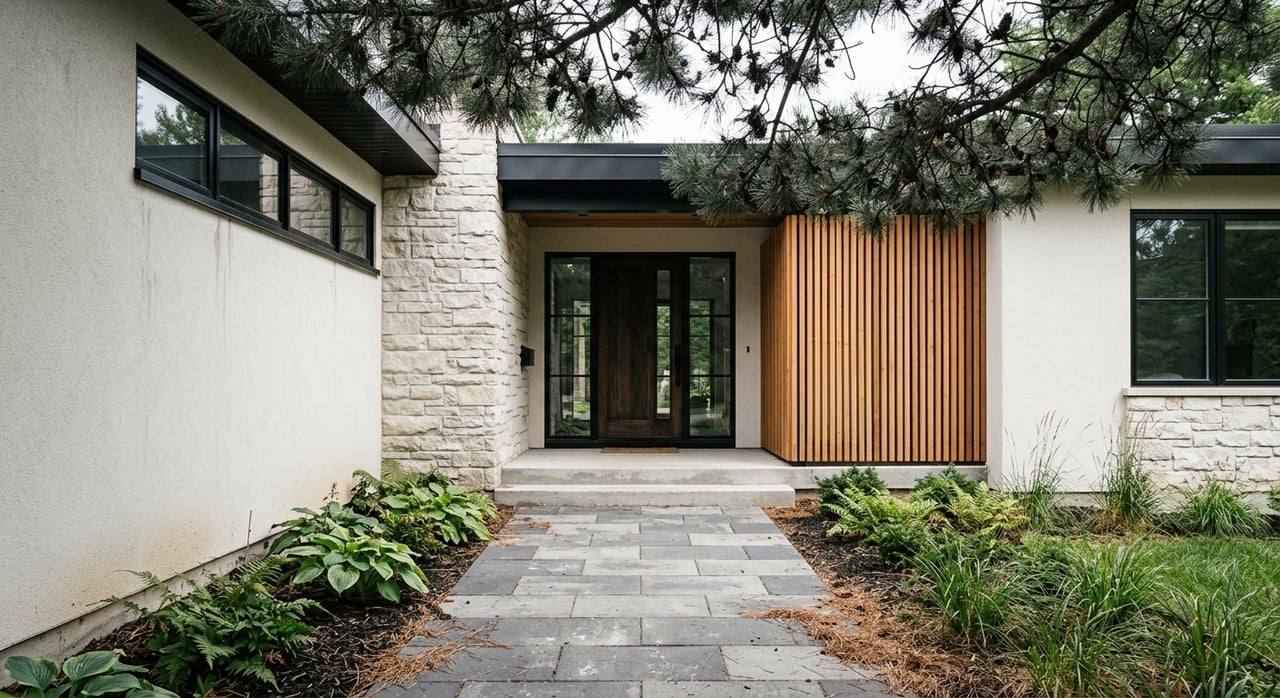
Choosing between a brand-new home and an established neighborhood in Castle Rock can feel harder than it sounds. You may love the idea of fresh finishes and modern layouts, but you also want to know what daily life will actually look like after you move in. This guide will help you compare both paths with more confidence, from timing and lot size to HOA rules and long-term costs. Let’s dive in.
Castle Rock offers both options
Castle Rock gives you a real choice between new construction and resale homes, which is not true in every market. Recent market snapshots show active inventory, with Redfin reporting a median sale price of $647,363 and 21 days on market for the three months ending May 2026, while realtor.com reports a $725,000 median listing price, 837 homes for sale, and a median 40 days on market in May 2026.
That range matters because it shows how much pricing and pace can vary by neighborhood and home type. In a market like Castle Rock, your best choice often comes down to how you want to live, how soon you need to move, and how much uncertainty you are comfortable with.
Why buyers choose new construction
A new construction home usually appeals to you if you want a modern floor plan, newer materials, and the chance to choose finishes up front. For many buyers, that means less immediate repair work and a home that feels more tailored from day one.
Castle Rock also has an active development pipeline. The town reports that over the past 25 years, an average of about 780 single-family homes and 150 multifamily units have been built each year, and current public notices include major residential proposals such as Dawson Trails.
That said, not every new neighborhood will feel the same. Castle Rock’s zoning and approval process shape lot size, density, roads, parking, landscaping, and building placement, so it is smart to review the plat and site plan instead of assuming every new community will feel spacious or uniform.
New construction means a process
In Castle Rock, new communities go through a formal development process. The town says site development plans show roads, lots, building locations, architectural information, parking, landscaping, and more.
Most residential projects also require neighborhood meetings and public hearings. Before a home can be used, construction ends with inspections and a certificate of occupancy.
For you, that means a new-build purchase can involve more moving parts than a standard resale purchase. A home may be fully built, partially built, or still moving through permit, infrastructure, or construction stages.
What to ask before signing a builder contract
Builder contracts deserve close review because the details can differ from one project to another. If the home is not yet built, the builder may ask for an upfront deposit, and you do not have to use the builder’s affiliated lender.
It is also wise to ask for protections that match the timeline and risk. The Consumer Financial Protection Bureau recommends financing and inspection contingencies so you are not locked into a purchase if an inspection reveals serious problems.
Here are a few smart questions to ask:
- Is the home complete, under construction, or still awaiting later phases?
- What is the expected closing window, and how often does that timeline shift?
- What deposit is required, and under what conditions is it refundable?
- What does the builder warranty cover, and what is excluded?
- Are third-party inspections allowed before closing?
- Which features are included in base price versus upgrades?
Warranty details matter in Colorado
Warranty language is especially important to read carefully in Colorado. Recent Colorado construction-defect reforms state they are not intended to impose an express or implied warranty, so coverage is contract-specific.
For some attached and multifamily projects, Colorado’s 2025 middle-market housing law allows participating builders to opt into a program that includes a warranty, third-party inspection, and recorded notice. That can be particularly relevant if you are considering a townhome-style new build in Castle Rock.
Why buyers choose established neighborhoods
An established neighborhood often works better if you want to see the actual home, lot, and streetscape before you commit. That can remove a lot of guesswork, especially if your move timeline is tight.
Castle Rock has a mature mix of submarkets, including areas such as Founders Village, Metzler Ranch, Plum Creek, The Meadows, and Crystal Valley Ranch. Instead of one uniform housing product, you can compare different settings, home styles, and lot layouts across the town.
Older neighborhoods may also offer a more settled feel. While landscaping is part of the approval process for new development, established areas are more likely to have mature trees, finished yards, and a streetscape that already feels complete.
What you can see before you buy
With a resale home, you can usually evaluate the exact property you are purchasing. That includes the lot shape, privacy, yard layout, nearby homes, traffic flow on the street, and the home’s current condition.
This visibility can make decision-making easier. You are comparing a real, existing property rather than plans, renderings, or a future phase that may still be changing.
The tradeoff is maintenance
The main tradeoff with an established home is upkeep. The Consumer Financial Protection Bureau notes that homeowners are responsible for maintenance and repairs after purchase, from small fixes to large items like a roof.
That is why inspections are essential. Both the CFPB and HUD recommend a professional inspection before buying, and offers should be contingent on a satisfactory inspection.
When you are comparing resale options, focus on the age and condition of major systems, not just the cosmetic look of the home. A well-presented kitchen is nice, but roof life, HVAC condition, windows, grading, and drainage matter just as much.
HOA rules can shape your experience
In Castle Rock, HOA review should be standard due diligence whether you buy new or established. Many Front Range communities are governed by the Colorado Common Interest Ownership Act, and the Colorado HOA Center exists to help consumers understand their rights and responsibilities.
The HOA’s governing documents define the relationship between you and the association. Those documents can affect everything from exterior changes to landscaping expectations and how shared areas are maintained.
Look beyond the monthly dues
A low monthly HOA fee does not always mean lower total cost. Colorado law recognizes both regular assessments and special assessments, so it is important to understand not only the current dues but also what those dues actually cover.
Ask questions like:
- What common areas or services are funded by the HOA?
- Are there reserves for future repairs?
- Have there been recent or proposed special assessments?
- Who maintains landscaping, fences, or shared drives?
- What owner responsibilities apply to the home and lot?
This matters in both new and established neighborhoods. The key issue is not simply whether an HOA exists, but how it operates and what financial obligations could come with ownership.
Landscaping and exterior rules matter
Colorado law gives owners some protections around landscaping choices. HOAs may not prohibit xeriscape or drought-tolerant landscaping, though they can still apply reasonable design standards.
The state has also limited HOA authority over defensible space and fire-hardened materials. For Castle Rock buyers, that makes landscaping, irrigation, and wildfire-related exterior planning important comparison points in both newer and older communities.
Compare timing, cost, and certainty
When you compare a new build with an established home, three factors usually drive the decision most: move-in timing, total carrying cost, and certainty.
A new build may offer personalization and lower near-term repair risk, but your move-in date may be less certain. An established home may need more updates over time, but you can often inspect it, evaluate the street, and close on a more predictable timeline.
Here is a simple way to frame the decision:
| Factor | New Construction | Established Neighborhood |
|---|---|---|
| Move-in date | May be longer or less certain | Usually more predictable |
| Home condition | New materials and systems | Varies by age and upkeep |
| Ability to inspect actual home | Limited if not complete | High |
| Streetscape feel | May still be developing | Usually more settled |
| Finish choices | Often customizable | Usually fixed unless renovated |
| Near-term maintenance | Often lower at first | May be higher depending on condition |
| HOA review | Important | Important |
A practical decision framework
If you are still torn, start with the questions that most directly affect your daily life and budget. In Castle Rock, the best choice is often less about trend and more about fit.
A new construction home may be the better match if you want modern design, personalization, and less immediate maintenance, and you can tolerate a longer or shifting timeline. An established neighborhood may be the better match if you want immediate occupancy, a visible lot and streetscape, and more certainty about what you are buying.
Use this short checklist as you compare options:
- Do you need to move by a firm date?
- Are you comfortable waiting through construction or phased development?
- How important are mature landscaping and a finished streetscape?
- Do you want to customize finishes, or would you rather see the final product first?
- What do the HOA dues cover, and could special assessments happen?
- Is the lot size and yard layout right for your long-term plans?
- How much maintenance are you willing to take on after closing?
The Castle Rock answer is personal
There is no one-size-fits-all answer in Castle Rock. The town is planning for continued growth while also emphasizing its small-town character, which means you can find both newer communities and more established areas that appeal to different priorities.
The right move is the one that aligns with your timeline, budget, and comfort level with risk. When you compare homes carefully, review HOA documents closely, and understand the true path to closing, the decision gets much clearer.
If you want a local, high-touch perspective on Castle Rock neighborhoods, new construction opportunities, or resale options, Corken + Company can help you compare the details and move forward with confidence.
FAQs
What should you ask about a new construction home in Castle Rock?
- Ask whether the home is fully built or still in the permit, infrastructure, or construction stage, what the closing timeline looks like, what the deposit terms are, and what the warranty includes and excludes.
What makes an established neighborhood attractive in Castle Rock?
- An established neighborhood can give you a visible streetscape, a completed lot, mature landscaping, and the ability to inspect the actual home before you commit.
How important are HOA documents when buying in Castle Rock?
- HOA documents are very important because they explain dues, owner responsibilities, landscaping and exterior rules, common-area obligations, and the possibility of special assessments.
Are lot size and density the same in every new Castle Rock community?
- No. Castle Rock says zoning and approved site plans help determine allowed uses, density, and lot configuration, so each community can feel different.
Is new construction always the lower-maintenance choice in Castle Rock?
- It often has lower near-term repair risk because the home is new, but you still need to review warranty terms, inspection rights, HOA obligations, and landscaping requirements.
Why does timing matter when choosing between new and established homes in Castle Rock?
- Timing affects where you can live, when you can close, and how much uncertainty you take on, which is why move-in date is often one of the biggest differences between new construction and resale homes.