Thinking about selling your home in Lowry? Buyers here love move-in-ready spaces, clean design, and outdoor appeal. You want to invest only where it counts so your home photographs beautifully, shows well, and sells without wasted spend. In this guide, you’ll learn which pre-list updates deliver the most impact in Lowry, how to prioritize your budget, and what to skip. Let’s dive in.
Why presentation matters in Lowry
Lowry offers a mix of single-family homes, townhomes, condos, and newer infill. Many buyers expect modern finishes, walkability, and easy access to parks and green space. That means first impressions and listing photos carry extra weight. You’ll get more traction by focusing on cosmetic, high-visibility updates over large structural changes.
How to prioritize updates
Start with a comparative market analysis. A CMA shows how your home stacks up against recent Lowry sales and what finish level buyers expect on your block. Use it to set a realistic budget and avoid over-improving beyond neighborhood top-tier homes.
Tackle low-cost, high-impact items first. Decluttering, deep cleaning, paint, lighting, and curb appeal upgrades improve photos and showings fast. These changes also minimize buyer objections so they can picture themselves living in your home.
Move to medium-cost refreshes where needed. Focus on kitchens, bathrooms, flooring, and staging. Select finishes that align with comparable Lowry homes, not trends that overshoot the market.
Treat big projects as conditional. Full kitchen or bath remodels, major additions, and window replacements can pay off only if supported by comps or if your home is far behind current standards. Check the CMA and timing before you commit.
Address safety and function. If your roof, electrical, or HVAC have known issues, fix or disclose them. You may not get a dollar-for-dollar price increase, but you will avoid price cuts and inspection delays.
Top high-ROI updates
Here are eight updates that tend to deliver strong value for Lowry listings. Pick the ones that match your home’s current condition and your timeline.
- Declutter and deep clean
- What to do: Remove personal items, clear surfaces, organize closets, and professionally clean carpets and hard surfaces.
- Why it works: It maximizes perceived space and condition, which is critical for photos and showings.
- Effort: Low cost and fast turnaround.
- Fresh interior paint in neutral tones
- What to do: Repaint walls and touch up trim in soft white, greige, or beige.
- Why it works: Neutral paint brightens rooms and reduces mental “to-do” lists for buyers.
- Effort: Low to moderate, with big visual impact.
- Lighting and fixture updates
- What to do: Replace dated fixtures, use daylight-color bulbs, clean windows, and open curtains.
- Why it works: Brighter spaces look larger and more modern. Good lighting elevates photos.
- Effort: Low, with immediate results.
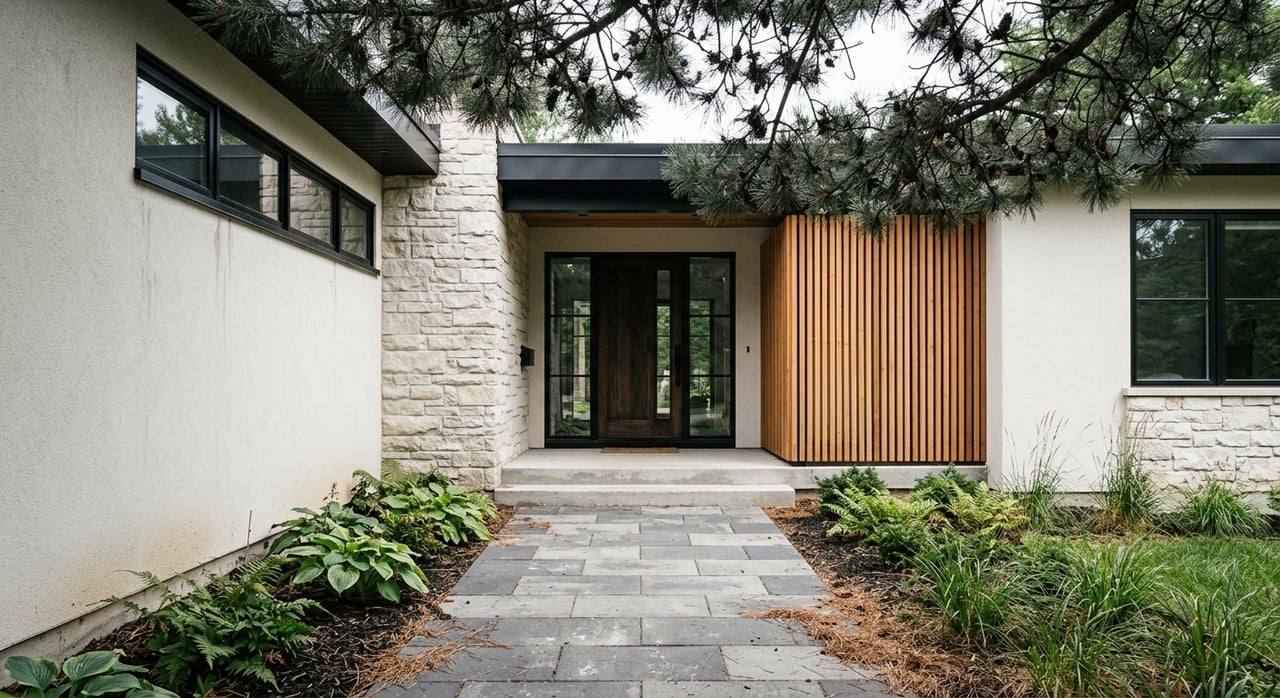
- Curb appeal and entry refresh
- What to do: Tidy landscaping, prune shrubs, power wash, touch up paint, and refresh door hardware or the mailbox. Add seasonal planters.
- Why it works: First impressions drive showing traffic in walkable neighborhoods like Lowry.
- Effort: Low to moderate; time it to seasonal growth when possible.
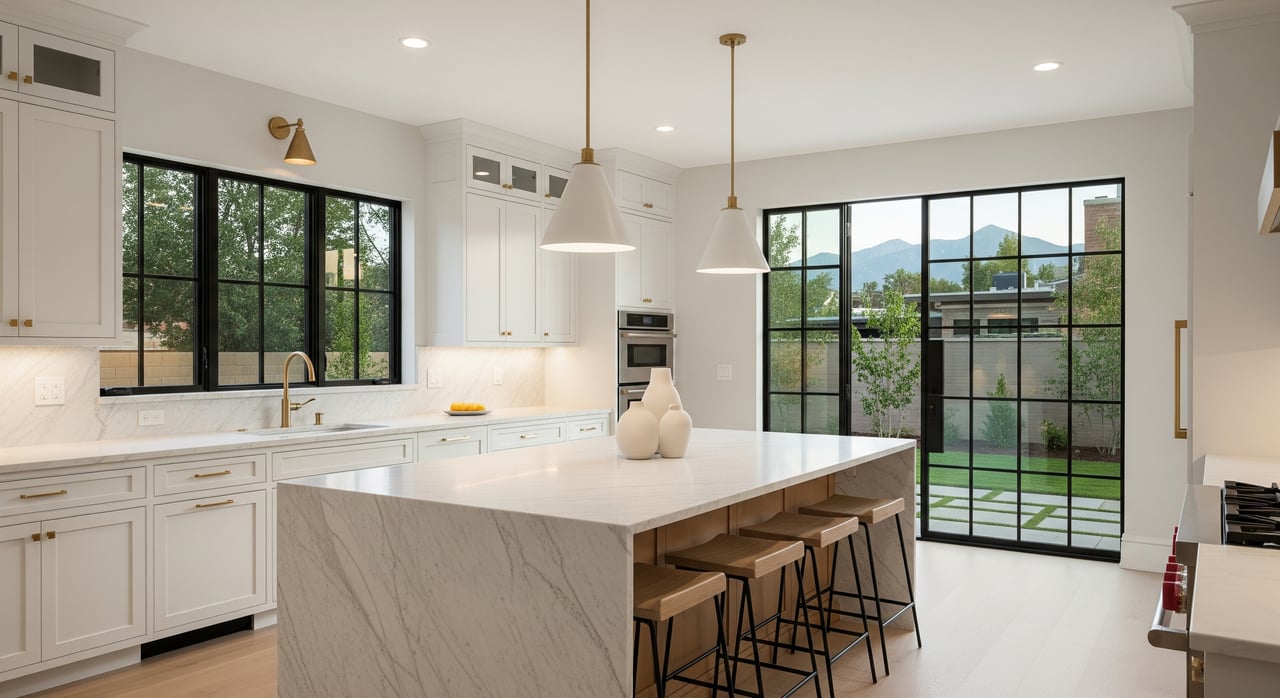
- Kitchen refresh, not a full remodel
- What to do: Paint or reface cabinets, swap hardware, update the backsplash, add a modern faucet and sink, and consider new countertops if your current ones distract.
- Why it works: Buyers are highly influenced by kitchen appearance. A refresh aligns cost with perceived value.
- Effort: Moderate, with selective upgrades tailored to comps.
- Bathroom refresh
- What to do: Replace the vanity or top, update faucets and lighting, re-grout or re-caulk, and swap dated mirrors and hardware.
- Why it works: Clean, modern bathrooms signal careful maintenance and reduce buyer objections.
- Effort: Moderate, often quick to execute.
- Flooring updates
- What to do: Refinish hardwoods, replace worn carpet, and create consistent flooring on main levels when feasible.
- Why it works: Worn or mismatched floors can depress perceived value more than many sellers realize.
- Effort: Moderate, with strong visual payoff.
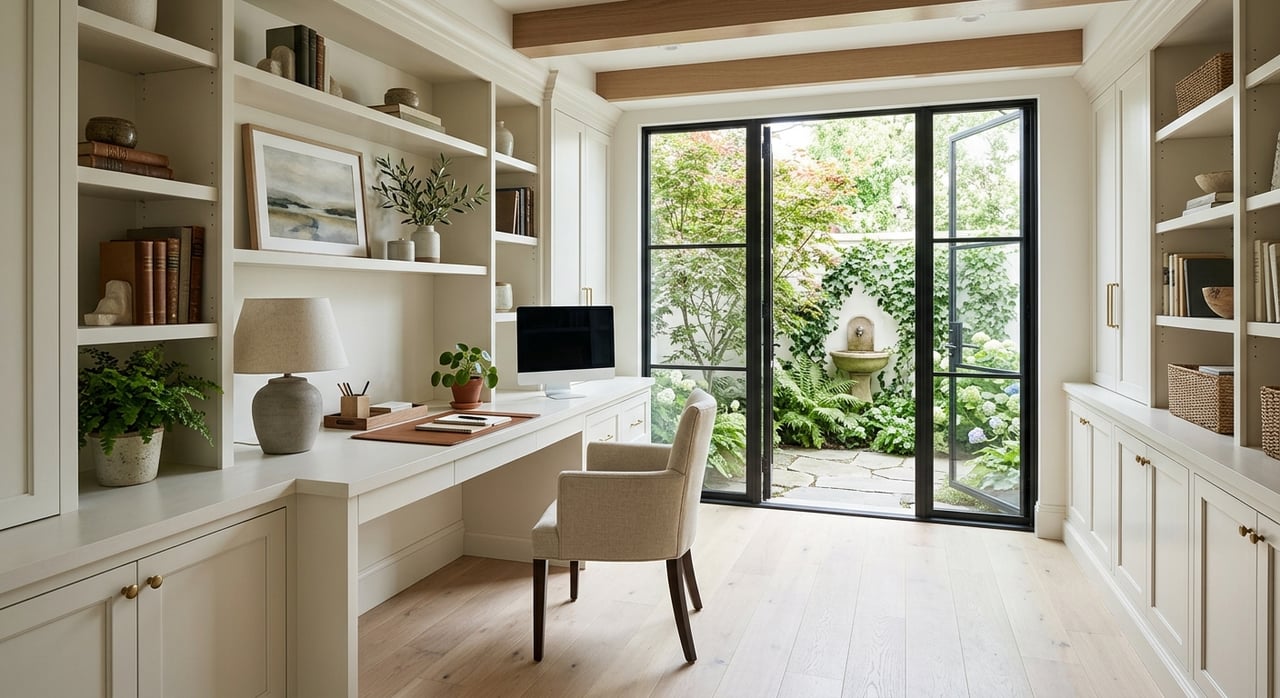
- Professional staging
- What to do: Use a professional stager to optimize layout, scale, and accessory choices for photos and showings.
- Why it works: Staging helps buyers visualize daily living and can shorten time on market.
- Effort: Moderate, typically on a rental timeline.
Timing and budget tips
List in spring or summer if you can. Landscaping and exterior improvements show best when vegetation is active. Interior refreshes are effective year-round and can be completed ahead of peak season.
Confirm rules before exterior changes. Some Lowry subareas have HOA or covenant guidelines, and Denver may require permits for structural or exterior work. Verify early so your timeline stays intact.
Set a budget tied to comps. Spend proportionally to your expected price band. Prioritize paint, lighting, curb appeal, and cleaning before committing to mid-range projects.
Choose contractors with care. Collect two to three bids, check references, and ask for written completion dates. Build in a buffer for materials or scheduling.
Price to condition. Even with upgrades, be mindful of the neighborhood price ceiling. A well-prepared home that is priced to its condition tends to sell faster and cleaner.
What to consider carefully
Full remodels. Only pursue full kitchen or bathroom remodels if your CMA shows premium pricing for fully renovated spaces or your home is far behind market norms. Otherwise, a refresh usually performs better.
Major systems repairs. Fix problems that affect safety or function. These repairs protect your contract timeline and reduce renegotiation risk, even if they are not direct profit drivers.
Energy-efficiency upgrades. Denver buyers may appreciate efficiency, but near-term ROI can be mixed. Consider these if your comps show a premium or if your marketing will highlight them.
Basement finishing or additions. Only add square footage when permitted and supported by comparable sales. Confirm permit history and timelines before you start.
Your next steps
If you are 30 to 60 days from listing, focus on fast, cosmetic wins. If you have more time, layer in a targeted kitchen or bath refresh and flooring updates that match top Lowry comparables. Always let the CMA guide scope and spend.
Ready to build a tailored pre-list plan for your Lowry home? Our concierge-style team can align budget, timing, staging, and marketing to the right buyer pool. Start with a strategy conversation with Corken + Company.
FAQs
What updates deliver the best ROI before listing in Lowry?
- Start with decluttering, deep cleaning, neutral paint, lighting, curb appeal, and professional staging. Then consider kitchen and bath refreshes and flooring updates as needed.
Should I fully remodel my kitchen before selling?
- Not usually. In Lowry, a well-executed refresh often outperforms a full remodel on cost versus impact unless comps clearly show a premium for fully renovated kitchens.
Do I need to replace my HVAC or roof to sell?
- Replace or repair only if systems are deficient or nearing failure. Necessary fixes prevent inspection issues and price reductions but may not add dollar-for-dollar value.
How much should I spend on pre-list updates?
- Spend proportionally to your expected price band and let a CMA guide decisions. Prioritize low-cost, high-impact projects before moving to mid-range upgrades.
Does staging really help homes in Lowry?
- Yes. Professional staging improves online photos, helps buyers visualize spaces, and often shortens days on market in show-ready neighborhoods like Lowry.
When is the best time to list in Denver?
- Spring and summer generally offer stronger curb appeal and buyer activity. If timing is flexible, plan exterior work for warmer months and complete interior updates year-round.