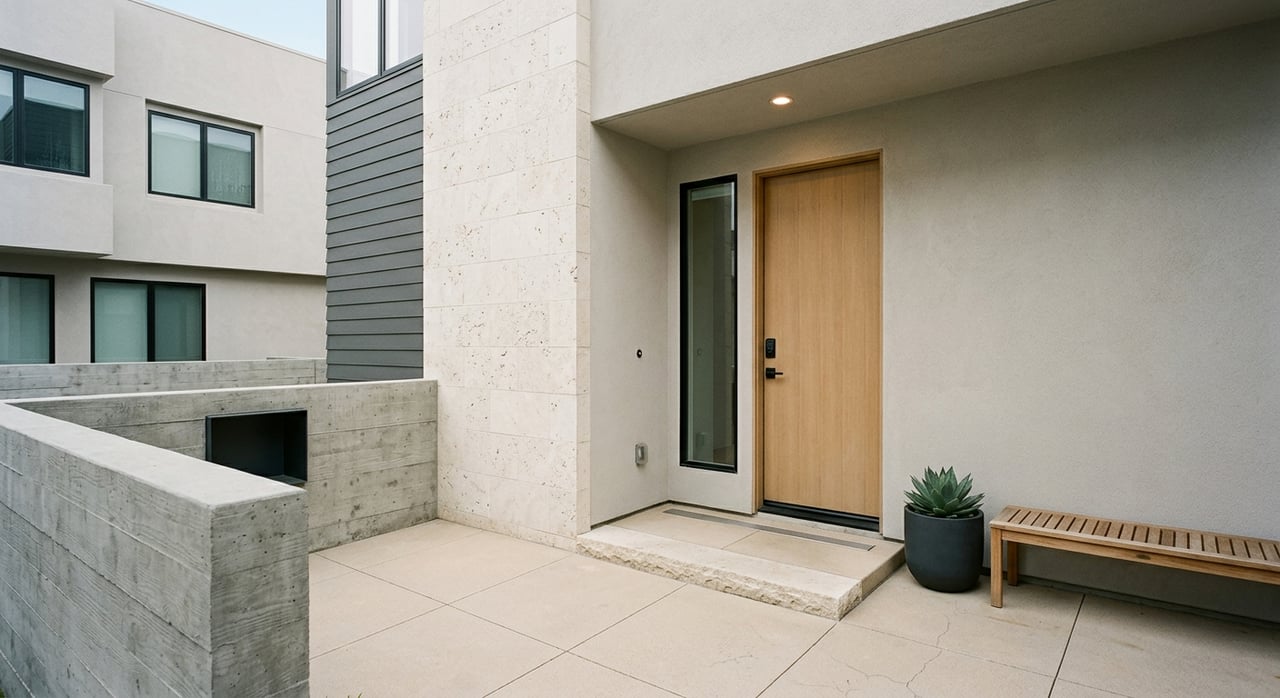
If you have noticed a lot of new construction signs around town, you are not imagining things. Builders have been active and new homes appear more visible in many neighborhoods. That visibility raises an important question: Are builders overbuilding again, like they did before the 2008 housing crash?
The short answer is no. While it can feel like new construction is everywhere, the underlying data doesn’t show an uncontrolled building spree. Builders are active, but their activity is balanced with current market conditions, demand and economic realities. Understanding this context helps buyers and sellers in Colorado make confident decisions in 2026.
New Construction Activity Has Increased, But Volume Is Measured and Intentional
It is true that new homes are being built in many communities. After years of underbuilding, the construction sector has responded to long‑term demand for housing. Builders have been working through pent‑up demand, delivering new homes to buyers who are ready to move.
However, the pace of new construction starts and permits is not out of control. In fact, recent data shows that national permits for new single‑family homes have been trending down, indicating that builders are not racing to add more inventory than the market can absorb.
This pattern matters because permits indicate what builders plan to build next. When permits slow, it usually means builders are being cautious and responding to demand and financing conditions rather than blindly expanding. That measured pace contrasts sharply with what happened before the 2008 downturn, when builders continued to ramp up construction even as demand evaporated.
Builders Are Responding to Market Signals
Homebuilders today are watching buyer demand, financing conditions, inventory levels and construction costs closely. When permits fall or stay stable, it reflects builder caution and market sensitivity.
In the years leading up to the last major housing correction, builders ignored slowing demand and kept expanding production. That created a surplus of homes that contributed to price volatility. Today’s builders are not repeating that pattern. Instead they are reacting to real market signals, including slower buyer activity in some segments and elevated costs for labor and materials.
That responsiveness means builders are more likely to align their work with actual demand rather than building excess inventory that could destabilize the market.
Why It May Feel Like There Are More Homes
There are a few reasons you may feel like builders are overbuilding:
1. New Community Development
Communities often approve new subdivisions and master‑planned neighborhoods that create visible clusters of new homes. This activity makes construction feel widespread even when the broader market has not suddenly shifted.
2. More Inventory Overall
Inventory has grown from recent historic lows. That means there are simply more homes for sale, including new construction offerings, which makes buyers feel like the market has more supply than before.
3. Price Sensitivity and Buyer Caution
Some buyers have delayed decisions because of affordability concerns, mortgage rates or economic uncertainty. That slows absorption of new homes and makes them more noticeable on the market.
4. Builders Bringing Back Projects That Were Paused
Several builders paused or slowed projects during previous periods of uncertainty. Now they are resuming activity to meet ongoing demand. This can create the perception of rapid expansion without indicating a true oversupply.
What is not happening is an uncontrolled, speculative building boom like the one that contributed to market instability in the late 2000s.
Builders Are Being Cautious and Intentional
Rather than overbuilding, builders are adjusting to real conditions. Many building permits and starts have actually declined compared with earlier in the cycle. That means builders are pacing their activity to avoid excess inventory, align with buyer interest, and manage financial risk.
This intentional approach is good for long‑term market health because it prevents a glut of unsold homes that could erode value. It also helps maintain balance between supply and demand in markets where inventory has been tight for years.
What This Means for Colorado Buyers
For homebuyers, the presence of new construction can be a positive thing without signaling a looming oversupply. New homes offer more choices and modern features that appeal to many buyers. They can expand options for buyers who want a particular floor plan, neighborhood or lifestyle that may not be as readily available in the resale market.
Because builders are sensitive to market conditions, new homes tend to be offered in response to real buyer interest rather than speculation. That means buyers can feel confident that new construction listings reflect genuine demand and thoughtful planning.
What This Means for Colorado Sellers
For sellers, the presence of new homes in your area does not automatically mean buyers will prefer new builds over resale listings. Many buyers still value location, character, yard space, layout and community features that established homes provide.
When new construction does compete with resale homes, strong preparation, accurate pricing and targeted marketing can position your home to attract serious offers. Buyers often compare listings side by side, and homes that are well prepared and priced for the current market still perform very well.
Inventory Growth Should Be Viewed in Context
More homes on the market, including newly built homes, can feel like a dramatic shift. But it helps to view that growth in context. Inventory is growing from a historically low base, and builders are pacing their projects to meet real demand. This gradual return of supply creates choice for buyers while avoiding the boom‑and‑bust dynamics of the past.
The goal for a healthy market is balance. Neither extreme shortage nor extreme oversupply serves buyers or sellers well. Today’s conditions reflect a more balanced market where inventory is growing but still aligned with buyer demand.
The Bottom Line for Buyers and Sellers
If you are considering buying or selling a home, understanding how builder activity fits into the broader market matters more than simply seeing construction signs. Builders are active but intentional, responding to real demand and economic conditions rather than building recklessly.
For buyers, that means more options without the risk of widespread overbuilding. For sellers, it means resale homes still compete very effectively when they are positioned well in the market.
At Corken + Company Real Estate Group, we help you interpret market signals and use them to your advantage. Whether you are buying a new home or selling your existing home, we provide the insight you need to act with confidence in Colorado’s 2026 market.
Visit www.corken.co or call 303‑858‑8003 to talk about how new construction and resale options fit your goals.