Love the idea of a Wash Park charmer with tree-lined streets and timeless details, but unsure how to navigate older-home quirks and preservation rules? You’re not alone. Buying in 80209 offers character, park proximity, and a central Denver lifestyle, yet it also comes with unique inspections, permitting steps, and renovation planning. This guide walks you through what to check, how to budget, which rules apply, and smart ways to update without losing historic appeal. Let’s dive in.
Why Wash Park’s historic homes appeal
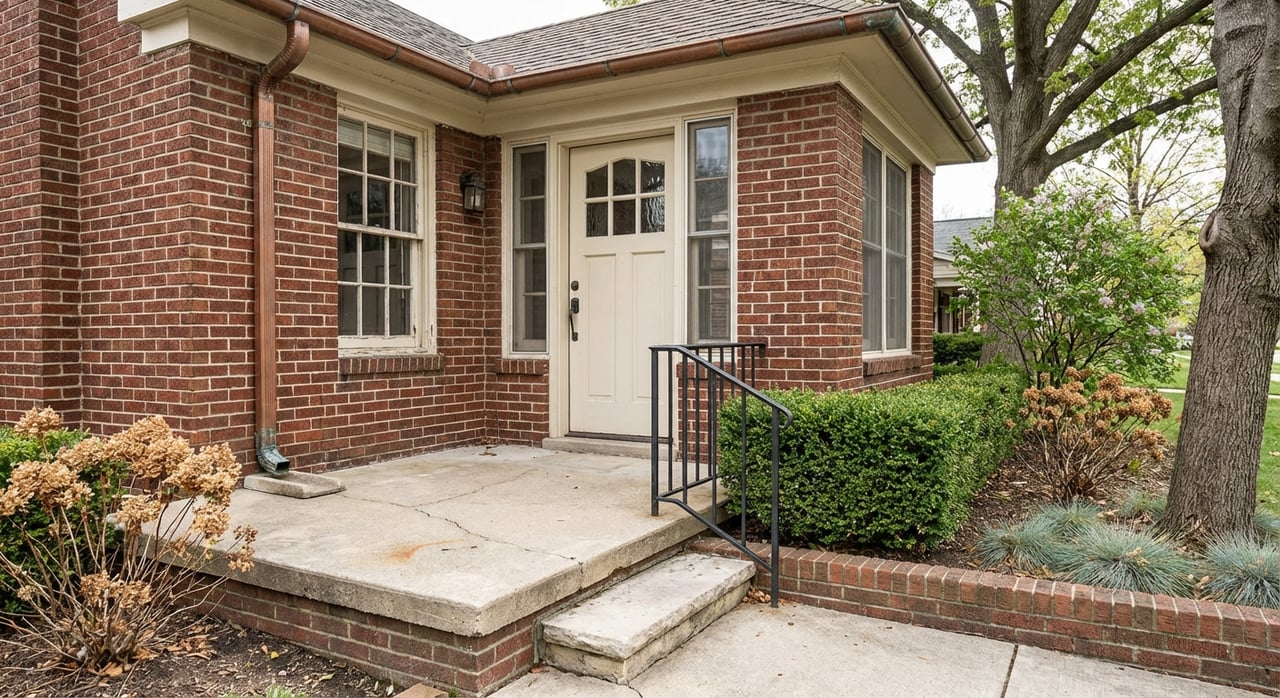
In Washington Park, most homes date from the early 1900s through the 1940s. You’ll find Denver Squares, Craftsman bungalows, Tudor Revival, and a few late-19th-century gems. The neighborhood orbits a 155-acre urban park and is known for central-city access and established architecture.
Buyers often trade newer-home conveniences for character, walkability, and an unbeatable location. Prices typically reflect that central-location premium. Expect smaller lots, potential system updates, and more hands-on maintenance than you’d see in a suburban new build.
Understand preservation status and permits
Not every older home is officially “historic,” and rules vary by designation. If a property is an individually designated local landmark or sits in a locally designated historic district, most exterior changes visible from the street require Landmark Preservation review and a Certificate of Appropriateness, or COA. Denver recommends securing the COA before you apply for building or zoning permits. Review Denver’s overview of single-family project steps and COA thresholds to set expectations early using the city’s guidance on residential projects and approvals. You can find that guidance in Denver’s permit and review resources for residential interior remodels, which also outline when exterior work triggers review.
- Learn how Denver’s Landmark Preservation design guidelines handle windows, doors, rooflines, and masonry so you can plan for repair versus replacement options in line with the rules. Check Denver’s current design guidelines update for clarity on what’s encouraged and what requires review.
- National Register status is primarily honorary for private owners. Local landmark or district status is what triggers municipal design review. You can explore Colorado’s National Register context through the National Park Service, then confirm any local designation with Denver Landmark Preservation.
If you anticipate visible exterior changes, plan for a design-review timeline and material requirements. This can affect your renovation budget and schedule.
Inspection must-knows for early 1900s homes
A standard home inspection is your starting point, but older homes merit a few targeted specialists. Consider an electrical specialist, sewer camera inspection, roof and chimney evaluation, structural review, and environmental testing when relevant. InterNACHI guidance supports deeper due diligence for older systems and materials.
Electrical systems
Homes built before the 1950s may have knob-and-tube or cloth-insulated wiring and undersized service panels. These systems lack modern grounding and are often flagged by inspectors and insurers. If the home has older wiring, get a licensed electrician’s written estimate so you can plan upgrades and negotiate accordingly.
Plumbing and sewer
Many older homes have galvanized supply lines or cast-iron stacks that can corrode. A sewer scope is a common, prudent step before closing. Depending on condition, budget for selective repiping or a broader plumbing update.
Lead paint and asbestos
For homes built before 1978, federal rules require lead-based paint disclosures. If you plan to disturb painted surfaces, use EPA lead-safe work practices with certified contractors. Asbestos may be present in insulation, pipe wrap, or older finishes. It is generally safe if intact, but testing and certified abatement or encapsulation are required if renovation will disturb it.
Foundations, soils, and drainage
Front Range clay-rich soils can move with moisture changes, which can cause cracking or settlement. Look for signs of past foundation work, heave patterns, or poor drainage. If you’re planning a major remodel or see red flags, bring in a structural or geotechnical specialist to advise on stabilization or underpinning options.
Moisture and radon
Colorado has higher average indoor radon levels than the national average. Testing is the only way to know. Radon mitigation is routine and effective compared to large structural fixes, so include a radon test in your inspection contingency and review EPA guidance for the Rocky Mountain region.
Windows, masonry, and roofing
Original windows, trim, brick, and tile or slate roofs often define a historic home’s look and can sometimes be repaired more cost-effectively over their full life than replaced. For designated properties, visible replacements typically require Landmark review and must meet the city’s design guidelines. Get quotes for both repair and in-kind replacement before you finalize plans.
Energy upgrades that respect character
You can make a historic Wash Park home significantly more comfortable and efficient without sacrificing charm. Start with attic insulation, targeted air sealing, weatherstripping, and high-efficiency HVAC or water heating. Storm or secondary interior windows often provide notable comfort and noise reduction while allowing you to keep original sashes.
If you’re considering solar, many preservation programs support low-profile installations set back from prominent rooflines when they do not damage character-defining features. For designated properties, coordinate with Denver Landmark Preservation early to understand visibility standards and approval steps.
Tax credits and incentives to explore
Colorado offers historic-preservation tax credit programs that can help offset qualified rehabilitation costs when work meets the Secretary of the Interior’s Standards. Application windows and annual caps can fill quickly, and most programs require pre-approval and documentation. Review current rules through the state’s historic tax credit program and coordinate with Denver Landmark Preservation if your project requires a COA.
Renovation financing and insurance
If you plan updates after closing, look at renovation financing that wraps purchase and improvements into one loan.
- Fannie Mae HomeStyle Renovation can fund a wide range of projects, including energy upgrades, with oversight tied to the as-completed value. Review the program details directly from Fannie Mae.
- FHA 203(k) offers Limited and Standard options for non-structural and structural projects, with additional documentation and HUD consultant oversight for larger scopes. Explore how 203(k) works in practice.
Insurance can also influence timelines and budgets. Some carriers limit coverage or require upgrades when older systems like knob-and-tube wiring are present. Get insurance quotes early and understand replacement-cost considerations for specialty materials in historic homes. Allstate outlines common insurance factors for older homes you should consider while underwriting.
How to write a smarter offer in 80209
Before you write, build a plan that matches an older home’s realities:
- Confirm whether the address is an individually designated landmark, in a local historic district, or not designated, and review potential COA requirements with Denver Landmark Preservation.
- Order a general inspection and key specialty checks: electrical, roof and chimney, structural or foundation review, sewer camera, and radon testing. Include lead and asbestos testing if the home is pre-1978.
- Budget a 10 to 20 percent contingency on top of contractor bids to cover unknowns common in older homes.
- If you plan visible exterior work, discuss materials and likely timelines with Landmark Preservation before closing.
- If your project is substantial, compare HomeStyle versus FHA 203(k) and consult lenders who regularly close renovation loans.
- If eligible, review state historic-preservation tax credits early and prepare required documentation before work begins.
Resale perspective in Wash Park
Historic homes near a major park and central amenities often carry a location and character premium. In recent years, premier central neighborhoods have generally held value better than broader metro averages, though cycles still apply. High-quality restorations that respect original character can support strong resale performance compared to dated or partially remodeled homes. The key is thoughtful planning, correct permits, and craftsmanship that aligns with preservation guidance.
Partner with a concierge team
Buying a historic home is as much about process as it is about the property. You want a strategic plan for inspections, permitting, design, and financing, plus access to trusted contractors who know older systems and historic materials. If you prefer a single point of contact across buying, leasing, and even property management during or after renovations, our integrated, high-touch approach can help you move confidently at every step.
Ready to explore historic homes in 80209 or build a tailored plan for a specific property? Connect with Corken + Company to map your next move with expert guidance.
FAQs
What makes a home “historic” in Wash Park?
- In 80209, most homes date from the early 1900s to 1940s; some are locally designated or within historic districts, which can trigger Landmark review for visible exterior changes.
Do I need city approval to replace windows on a historic home?
- If the property is locally designated or in a local historic district, most visible window replacements require a Certificate of Appropriateness and must follow Denver’s design guidelines.
How risky is knob-and-tube wiring when buying?
- It lacks grounding and can be flagged by inspectors and insurers; plan for an electrical specialist’s evaluation and factor potential rewiring into negotiations and budgets.
Is radon a concern in 80209 homes?
- Yes, Colorado averages are higher than the national average; include a radon test in your inspection, and note that mitigation is a routine, effective fix.
Can I get tax credits for historic renovations in Colorado?
- State historic-preservation credits may apply to qualifying work, but they usually require pre-approval and documentation; review current rules and timelines early.
Which renovation loans work for older homes?
- Fannie Mae HomeStyle and FHA 203(k) can combine purchase and rehab into one loan; compare scope, timelines, and oversight to see which fits your project.