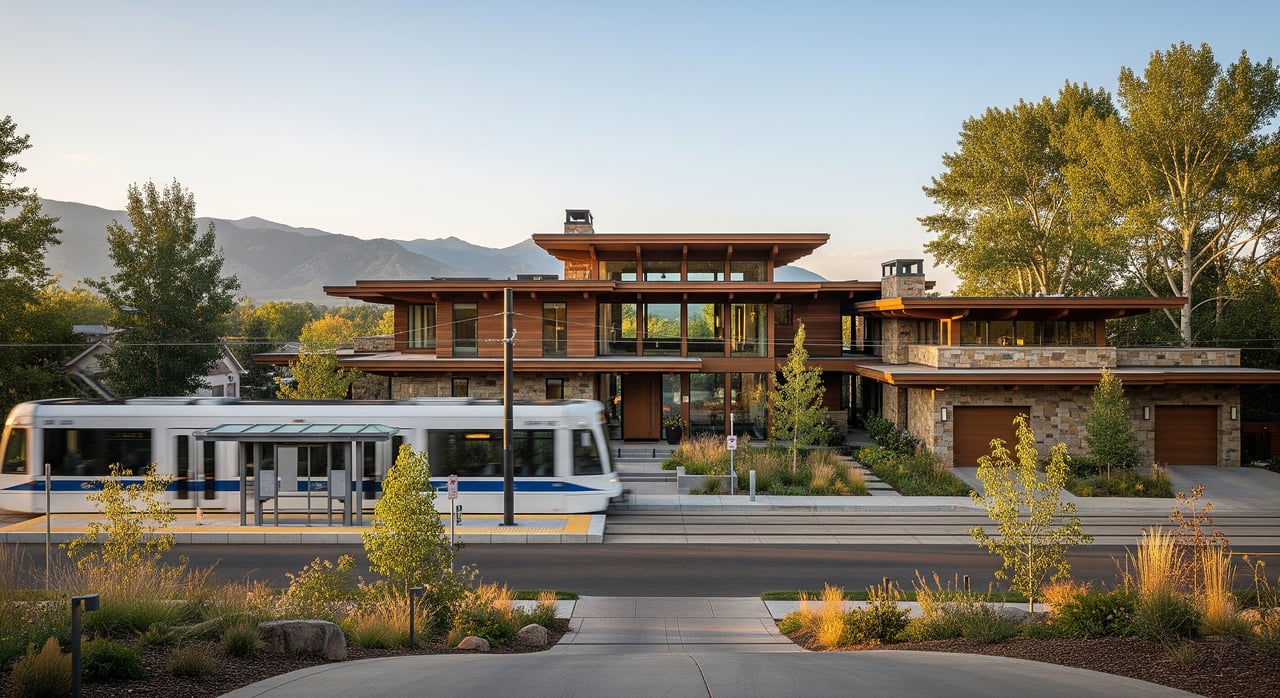
What if your next home did more than check boxes and actually shortened your commute, simplified parking, and opened new options for work and play? In South Denver, access to RTD light rail often sits near the top of that wish list. Whether you are buying, selling, or investing, understanding how transit proximity influences value can help you make smarter decisions. In this guide, you will learn what drives value near stations, how close is close enough, and practical steps to weigh the trade-offs. Let’s dive in.
South Denver and light rail: what we mean
For this article, South Denver includes City and County of Denver neighborhoods south of I-25 and adjacent south-metro communities such as Englewood, Littleton, Greenwood Village, and the Cherry Creek area. These places are served by multiple RTD light rail corridors that connect to downtown Denver and major job centers. Stations range from neighborhood stops with nearby shops to larger park-and-ride hubs. Your experience and a home’s value impact will vary by station type and surrounding amenities.
Why transit access affects home values
A few consistent forces shape what buyers will pay near light rail:
- Accessibility premium. Shorter, more reliable trips to work and amenities increase what many buyers are willing to pay.
- Development pressure. Stations often attract higher-density, mixed-use projects that can lift nearby land values over time.
- Rental demand. Investors value lower vacancy and steady renter interest near transit, which can support prices.
- Amenities vs. disamenities. Walkability and convenience add value. Noise, lights, traffic, and parking pressure can reduce it for some buyers.
How close is close enough
Most studies find the strongest price effects within a short walk of a station, commonly within about a half mile, with benefits that fade as distance increases. The exact impact depends on the quality of the walk, the station area, and the frequency and reliability of service. In high-amenity areas, percentage gains may be modest but can still translate into meaningful dollars. Immediate adjacency to tracks may introduce noise or privacy trade-offs you will want to evaluate in person.
Station type matters
Not all stations deliver the same value signal.
- Walkable, mixed-use stations. Areas that blend homes, retail, and safe pedestrian routes tend to show stronger premiums.
- Park-and-ride hubs. These can offer great access but may bring more car traffic and parking demand. Effects on value are often neutral to mixed unless paired with strong area amenities and walkability upgrades.
The trade-offs to expect
Living near light rail brings benefits and considerations. Keep these in mind:
- Proximity vs. peace and quiet. Close-in locations may save time but add noise or foot traffic. Visit at different times of day.
- Commute insurance. Reliable transit can hedge against rising fuel and parking costs, even if you do not ride daily.
- Neighborhood change. Station-area plans can bring new shops, homes, and public spaces over time. That evolution can be positive but may change the feel of the block.
What this means for South Denver buyers
Use a simple, practical framework:
- Map your commute. Focus on stations that connect efficiently to your job centers. Service frequency often matters more than distance alone.
- Walk the route. A 0.3-mile walk on calm, well-lit streets is different from the same distance along a busy arterial.
- Check for disamenities. Listen for train noise, observe lighting, and note parking patterns in the evening and on weekends.
- Review plans. Look at city and RTD station-area guidance for potential redevelopment that could add amenities or change traffic.
- Think long term. If you might rent the home in the future, transit access often helps reduce vacancy and broadens the tenant pool.
What this means for South Denver sellers
If your home is near a station, showcase that advantage thoughtfully:
- Tell a commute story. Note typical ride times to downtown and key job clusters buyers ask about.
- Sell the full experience. Emphasize walkability, nearby shops, parks, and streetscape quality, not just the rail line.
- Address concerns up front. Share sound mitigation details, typical train hours, and on-site or off-street parking options.
- Price with precision. Use comps that share similar proximity and station type rather than relying on broader neighborhood averages.
A note for investors and landlords
Transit access often correlates with stronger renter interest and shorter downtime between leases. Look for stations with frequent service and nearby daily needs like groceries and gyms. Evaluate HOA rules, parking allocations, and noise exposure carefully, and plan for durable finishes if foot traffic is a factor. Solid property management can help you balance yield with tenant experience.
How to evaluate a property near light rail
Use this checklist when touring homes in Englewood, Littleton, Greenwood Village, the Cherry Creek area, and Denver neighborhoods south of I-25:
- Time your trip from the station to your workplace during peak hours.
- Walk the most likely path from the home to the station. Note sidewalks, crossings, and lighting.
- Visit at least twice: weekday rush hour and a weekend evening.
- Stand outside the home when a train passes. Listen for sound inside and outside.
- Scan for on-street parking competition near the station, especially where park-and-ride capacity is limited.
- Ask about planned projects, streetscape upgrades, or new mixed-use developments around the station area.
What to watch in the years ahead
Long-run value depends on how plans become reality. Station areas with targeted investments in sidewalks, bike lanes, and mixed-use development often see stronger demand. Monitor RTD’s transit-oriented development initiatives and City and County of Denver planning for zoning updates or area plans that promote walkable, mixed-use neighborhoods. The timing of public and private projects can influence price trends more than the opening day of a rail line itself.
How Corken + Company can help
As an Englewood-based, boutique firm serving South Denver and the Front Range, we help you weigh the benefits and trade-offs of transit proximity with local nuance. Our concierge approach covers buying, selling, leasing, and in-house management, so your plan works today and over the long term. From pricing strategy near a walkable station to selecting an investment property with strong rental demand, we bring neighborhood-level insight and end-to-end execution.
Ready to plan your next move around transit access and lifestyle priorities? Connect with Corken + Company to Schedule Your Concierge Consultation.
FAQs
Does living near light rail always raise my home’s value in South Denver?
- Not always; many studies find positive effects near well-connected, walkable stations, but impacts vary by station type, walkability, service frequency, and nearby amenities.
How close to a station do you see the strongest price effects?
- Effects are often concentrated within a short walk, commonly up to about a half mile, and tend to fade with distance, though results vary by location and station quality.
Will a station bring more renters or change neighborhood character?
- Transit access can attract investor interest and renters, especially where service is frequent and amenities are close, but neighborhood outcomes depend on local planning and development.
Are park-and-ride stations different from walkable mixed-use stations for value?
- Yes; walkable mixed-use station areas often show stronger premiums, while park-and-ride hubs can have neutral or mixed effects due to traffic and parking patterns.
How do I assess noise and safety near a light rail station?
- Visit multiple times of day, listen during train pass-bys, review lighting and sightlines on your walking route, and note traffic and parking conditions on evenings and weekends.