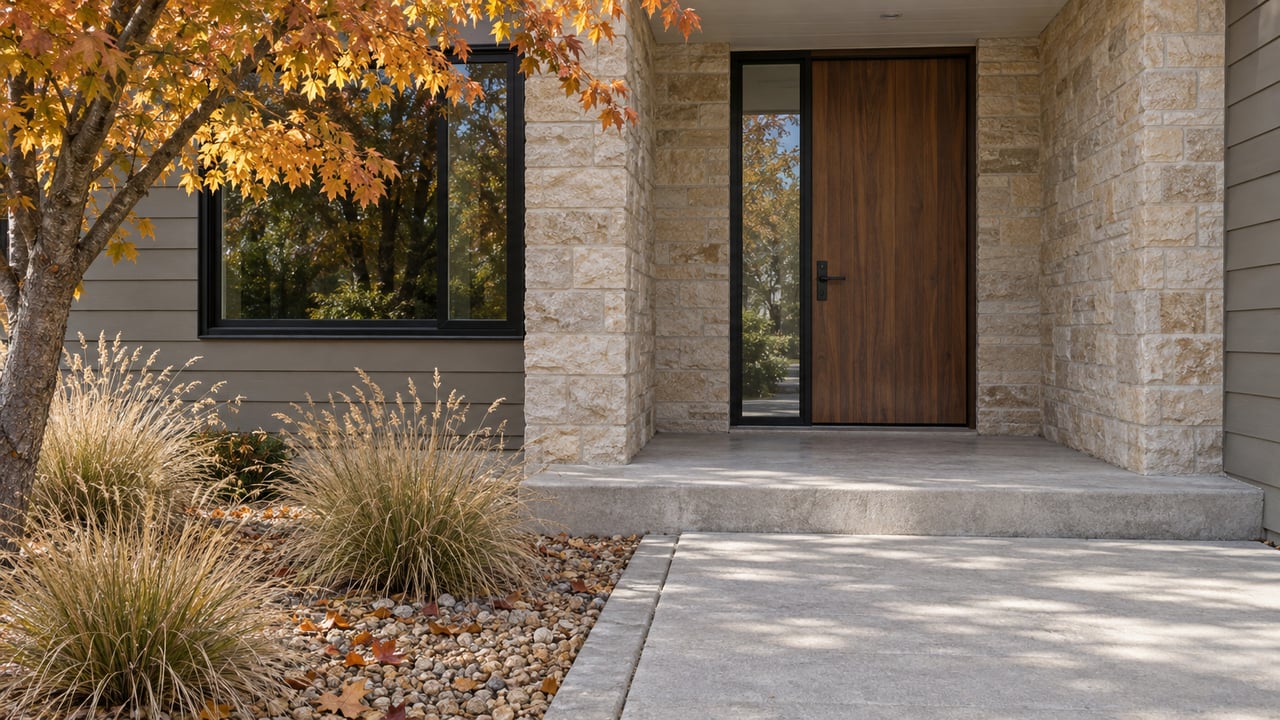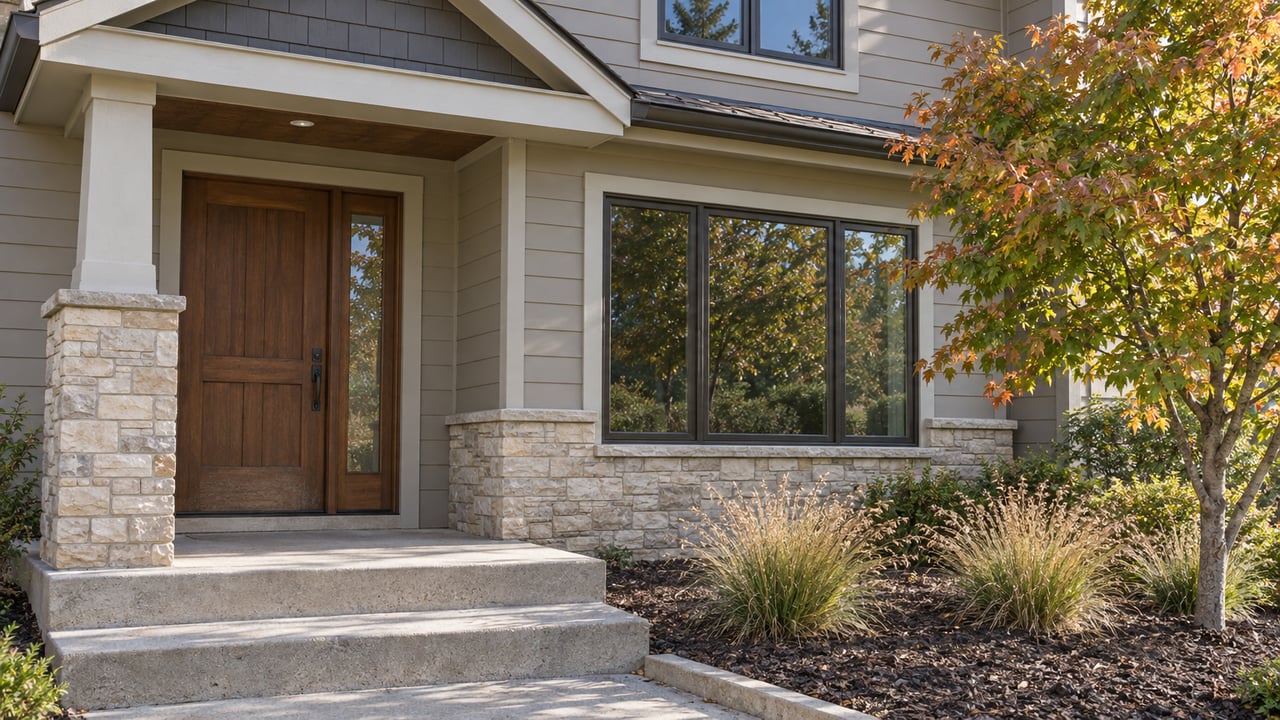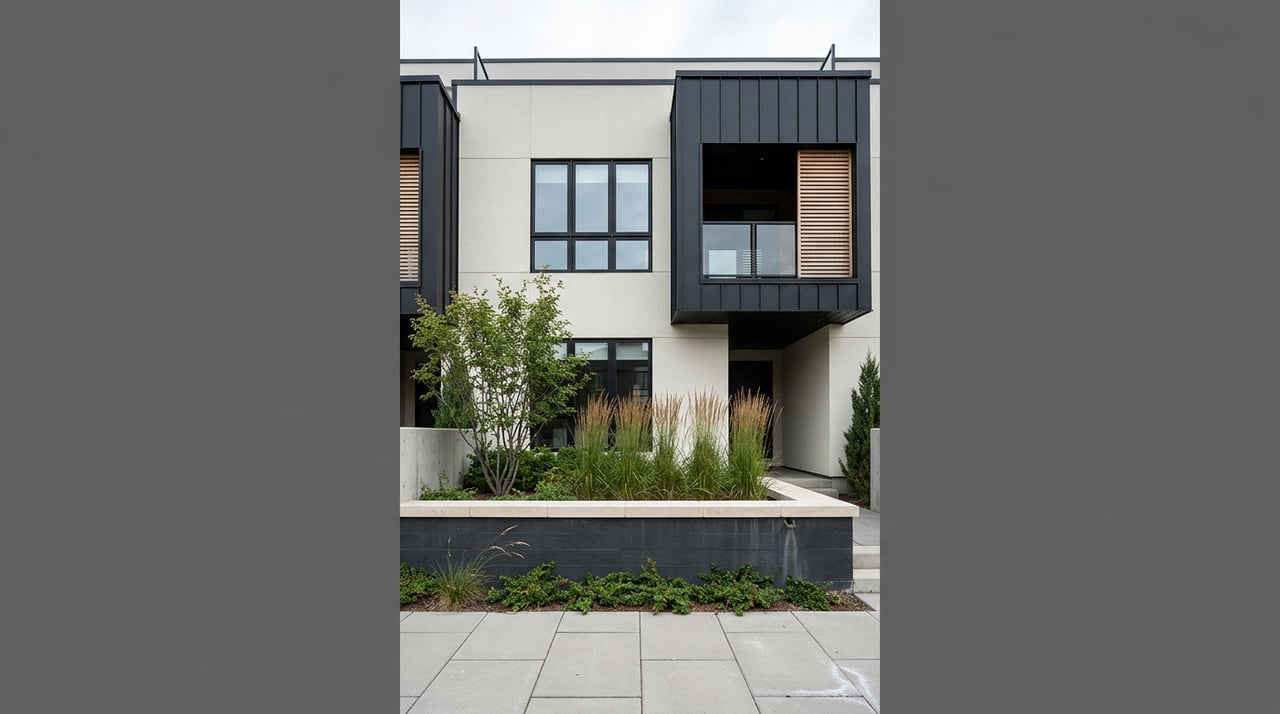
Two condos list three blocks apart, both priced in the low $700,000s, both a short walk from the Cherry Creek Shopping Center. One goes under contract in three weeks. The other is still sitting there two months later, price cut once already. One point buyers can compare is each building's monthly HOA dues and what those dues cover.
Comparing HOA dues and coverage has become a routine part of due diligence in Denver condo purchases, and buyers often make that comparison after going under contract, when they receive the resale certificate. A condo's insurance and reserve health can add or subtract hundreds of dollars a month from the real cost of ownership, and in Cherry Creek that gap is wide enough to reshuffle a buyer's entire shortlist.
Two market speeds beneath the median
Look at Cherry Creek's headline price and it reads like a normal, resilient luxury market. Look one layer down and it's actually two markets moving at different speeds.
The Denver Metro Association of Realtors' July 2026 report puts the metro-wide median for attached homes, condos and townhomes, at $380,000, with inventory stretching toward six months of supply and average time on market running 40 to 60 days. Detached homes carry a metro median of $660,000. Meanwhile the $1 million-plus tier, where a meaningful share of Cherry Creek's inventory sits, is turning over in a median of just 17 days. Luxury condo closings across the metro were up 81 percent year over year in that same report, a jump the report attributes in part to high-profile new development in lifestyle hubs like Cherry Creek.
That's not one market cooling and warming at random. It's two segments responding to different pressures. The luxury and detached tier is absorbing buyers who are less sensitive to financing costs and more focused on product and location. The older attached-home tier is absorbing a slower-moving cost problem: insurance.
What influences HOA dues
Colorado has become one of the more expensive states in the country for property insurance, and condo and townhome associations have felt it first. Colorado homeowners and condo insurance premiums have risen more than 100 percent since 2018, driven largely by hail exposure along the Front Range and rising construction-litigation costs, and associations are passing that increase straight into monthly dues and, in some buildings, into special assessments.
The mechanism is straightforward once you see it. An HOA's master policy renews, the premium jumps, and the board either raises dues to cover it or levies a one-time assessment. Colorado's Division of Insurance has published a plain-language breakdown of how master policies and HO-6 owner policies interact, including why standard loss-assessment coverage often falls short of what a large post-hailstorm assessment actually costs. It's worth reading before you write an offer on any condo more than a few years old, because the association's recent financials and reserve study can help show its financial position.
Cherry Creek 3, one of the neighborhood's original townhouse-condo communities, raised its dues to $405 a month effective January 2026, a modest example of the trend playing out across smaller, older associations. At the other end of the spectrum, North Creek Residences, a seven-story building completed in 2008, carries dues ranging from roughly $2,410 to $3,211 a month depending on unit, covering reserves, insurance, ground maintenance, and valet parking. Two owners in the same zip code, in some cases the same block, can be paying wildly different amounts to insure a similarly priced home, and the listing price alone doesn't show the association's monthly dues.
Before you write an offer on a Cherry Creek condo, ask for:
- The current HOA budget and the last one to two years of financial statements
- The most recent reserve study and how well-funded it is against upcoming capital needs
- The master insurance policy's deductible, and whether that deductible has been passed to owners as a special assessment in the last five years
- The delinquency rate among current owners
- Whether the building has had recent envelope, roof, or parking-structure work, all common triggers for insurance-related assessments
None of this shows up in a listing photo. Review these records before you write an offer.
Where the luxury tier is pulling away
While older attached buildings absorb insurance pressure, new luxury product in Cherry Creek North is moving in the opposite direction. Waldorf Astoria Residences Cherry Creek, a 37-unit boutique condominium under construction at 185 N. Steele Street, was, as of late 2025, the only branded condo project under construction in Cherry Creek North, according to the developer, and had already passed 60 percent presold by the time it broke ground that November. Developer PMG secured $107.5 million in construction financing for the project in August 2025 and expects to complete it in the first quarter of 2028, with interiors by design firm BAMO and a rooftop pool, wellness center, and Peacock Alley-inspired lounge among the amenities.
That kind of project is a data point, not a curiosity. Buyers moving at this level are largely insulated from the insurance and financing friction squeezing the attached-home tier below them, which is part of why the luxury segment's 17-day median hold time looks nothing like the 40- to 60-day pace metro-wide attached inventory is running. New construction also arrives with fresh, insured-to-value master policies rather than decades of deferred reserve funding, a difference buyers may consider when comparing buildings.
Two speeds, one zip code
Segment | Recent pace | What's driving it |
|---|---|---|
Luxury and detached (new construction, single-family, townhomes) | Metro median of 17 days for the $1M+ tier, per July 2026 DMAR data | Buyers less sensitive to financing, new-build product with fresh insurance and reserves |
Attached, older-stock condos | Metro median of 40 to 60 days, per the same report | Rising HOA insurance premiums and reserve gaps narrowing the traditional condo affordability edge |
Cherry Creek's own trailing three-month sales data through June 2026 showed a median sale price of $1.6 million and a 23-day average time on market, down from 36 days the year before, a pace that tracks closer to the luxury tier than to the metro-wide attached average. That gap between the neighborhood's overall pace and the slower attached segment inside it is the whole story in miniature.
What this means for your budget
If you're comparing a condo and a townhome in Cherry Creek, the sale price is only one part of the total cost. Local listing data from earlier this year showed condos with a median list price around $713,000 against a townhome median closer to $1.7 million, a gap wide enough that many buyers assume the condo is the more affordable path by default. It can be, but only after you've confirmed the building's insurance and reserve position. A condo priced $500,000 below a comparable townhome can still cost more per month once dues, a fresh assessment, and a higher HO-6 premium are added in.
If you're selling an older attached unit, get ahead of this rather than letting a buyer's lender discover it during underwriting. Have your association's most recent reserve study and insurance declarations ready before you list, and price with the knowledge that buyers are now asking these questions earlier in the process than they were two years ago. For a broader look at what property taxes and HOA ranges typically look like across Cherry Creek's mix of condos, townhomes, and single-family homes, our earlier breakdown of Cherry Creek tax and HOA costs is a useful starting point before you dig into a specific building's financials.
FAQ
Does a lower HOA fee always mean a lower total cost? Not necessarily. A building with low current dues and an underfunded reserve is often a candidate for a special assessment down the road. Ask for the reserve study, not just the current fee, before comparing two buildings.
Is now a good time to buy an older Cherry Creek condo? It depends heavily on the building. Attached inventory is moving slower and carrying more negotiating room than it has in recent years, which can work in a buyer's favor on price, but only if the association's insurance and reserve position checks out.
Why are new luxury condos selling faster than older ones nearby? New construction generally arrives with fresh, fully insured master policies and no deferred reserve gap to close, which removes one of the biggest sources of friction slowing down sales in older buildings.
Cherry Creek's purchase price is only part of the picture; in 2026, the difference between purchase price and ongoing costs makes the HOA financials an important part of due diligence. If you're weighing a specific building, condo, or townhome against what your budget actually buys here, Corken + Company works this market block by block. Schedule Your Concierge Consultation and bring your shortlist. We'll help you review the numbers behind the listing.
This article is general information, not legal, tax or financial advice. Consult a qualified professional about your situation.