Buyer Psychology in Greenwood Village: Understanding What Drives Purchase Decisions at the Luxury Level
Real estate decisions at the luxury level involve both analytical evaluation and emotional response, and the balance between those two forces is often the determining factor in whether a transaction happens and at what price. Understanding the psychology of how Greenwood Village buyers actually make decisions, what triggers commitment and what creates hesitation, is useful for buyers who want to make better decisions and for sellers who want to understand their audience.
This is a candid look at how luxury buyers in the Greenwood Village market actually behave, based on patterns observed across many transactions in this market.
The Analytical Foundation
Greenwood Village buyers at the $1 million-plus price point are, by definition, financially sophisticated. They have accumulated the income and assets necessary to purchase in this market, which means they are accustomed to making large financial decisions with rigor. They evaluate real estate the way they evaluate other significant investments: with attention to data, comparable evidence, and risk assessment.
This analytical foundation means that Greenwood Village buyers do their homework. They track the market before they are ready to buy, often for months. They know recent sale prices in the communities they are targeting. They understand interest rate environments and what they mean for their monthly carrying costs. They have usually consulted with a financial advisor about the purchase in the context of their broader financial picture.
Sellers and their agents who attempt to obscure pricing reality, who overstate a home's value without supporting evidence, or who create artificial urgency around a listing that has been sitting on the market for sixty days will find that this buyer sees through the positioning quickly. Greenwood Village buyers make decisions based on accurate information, and they are skilled at identifying when information is being managed rather than presented honestly.
Where Emotion Enters
Despite the analytical foundation, emotional triggers drive the actual moment of commitment in most Greenwood Village purchase decisions. The data creates a consideration set and establishes price discipline. But what moves a buyer from considering a home to committing to it is almost always an emotional response to how the home feels.
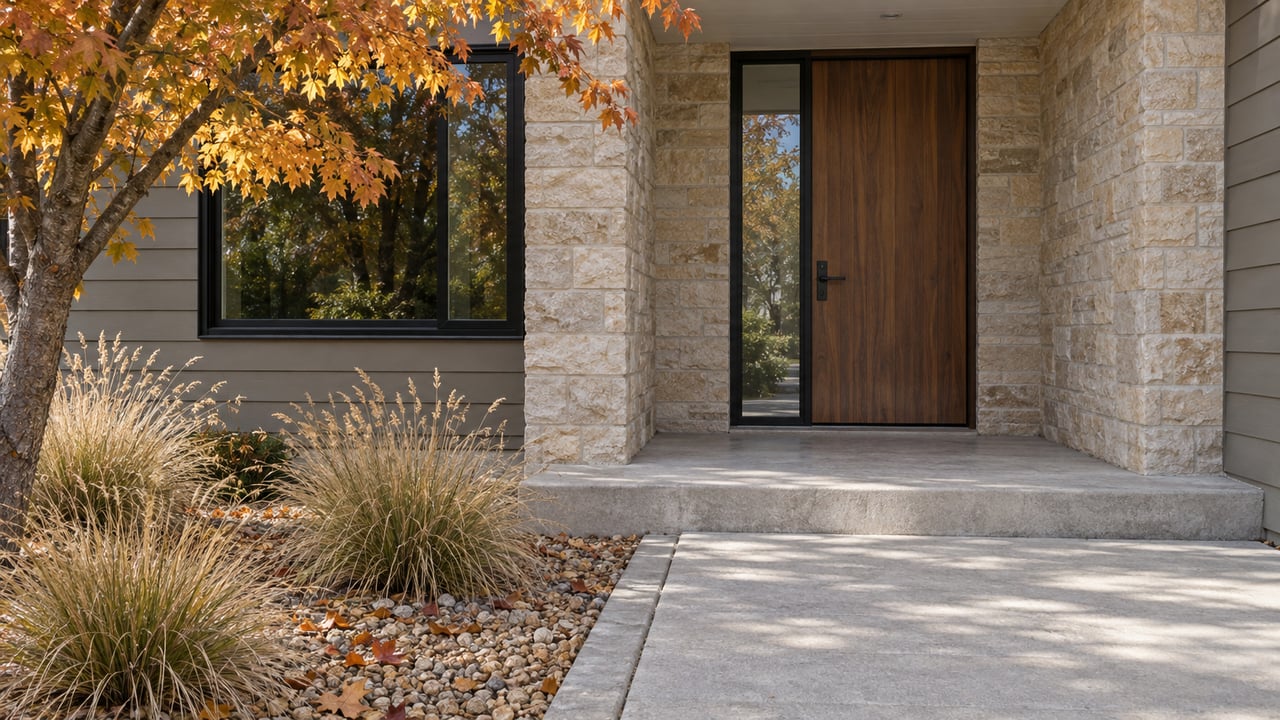
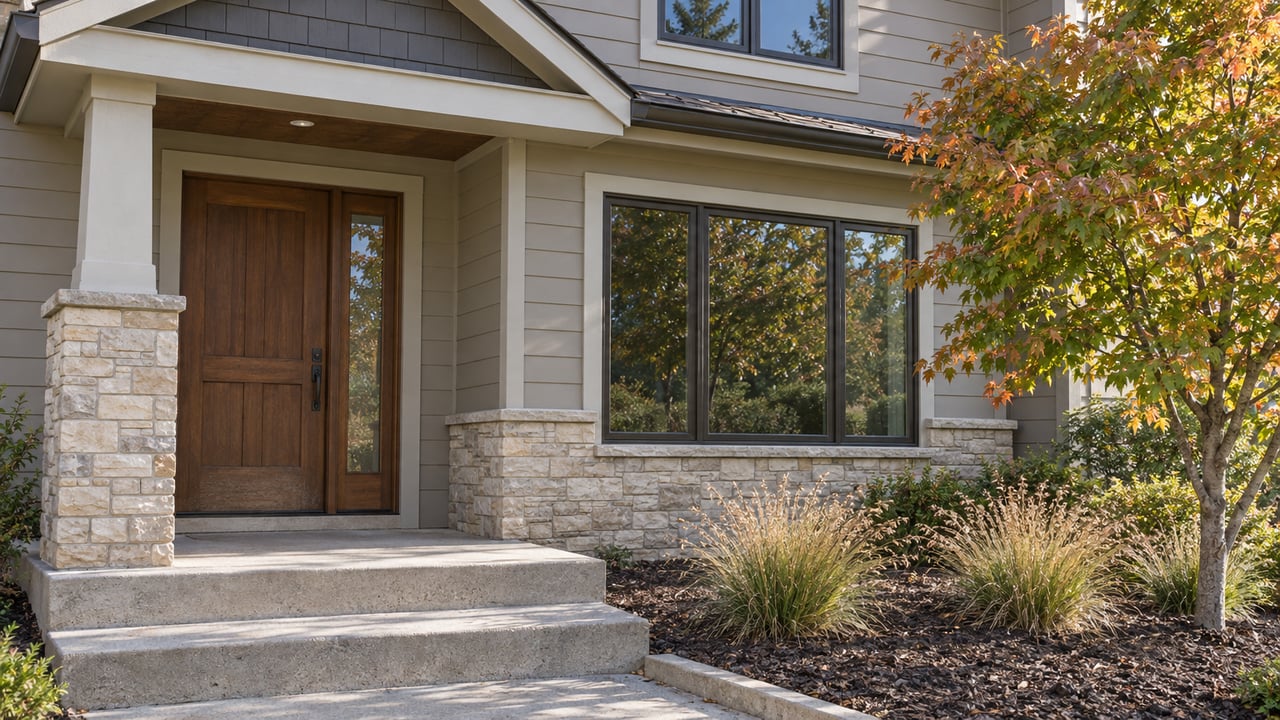
The most consistent emotional triggers in the Greenwood Village luxury market are the sense of arrival, the feeling a buyer gets when they walk through the front door and the home meets or exceeds the expectation the exterior created. Primary suite impression, the moment when a buyer stands in the primary bedroom and bathroom and feels the space is a genuine retreat rather than a functional room. The outdoor living experience, which in Colorado carries disproportionate weight because buyers immediately visualize their daily life in the space. And the neighborhood character impression, the walk or drive through the surrounding streets that either reinforces or undermines the sense that this is the right community.
Sellers who understand these triggers invest in creating the experiences that activate them. The first impression sequence from driveway approach through front entry is worth disproportionate staging and presentation attention because it sets the emotional tone for everything that follows. A buyer whose first impression is excellent is primed to see the rest of the home positively. A buyer whose first impression is neutral or negative is looking for evidence to confirm that response throughout the showing.
The Role of Vision and Imagination
Luxury buyers in Greenwood Village are purchasing not just the current state of a property but their vision of life in it. They are imagining dinner parties on the covered patio, mornings on the primary suite's private deck, their children walking to Cherry Creek High School, and the convenience of being ten minutes from the DTC on days when the office requires their presence.
Sellers who present homes in ways that activate this vision outperform those who present homes as collections of features and square footage. This is the core function of professional staging: it helps buyers see themselves in the home rather than seeing the current owner's life. A staged primary suite invites buyers to imagine their morning routine. A beautifully set outdoor dining table invites buyers to imagine entertaining. Empty rooms invite no imagination at all.
The mental visualization of life in a specific home is the psychological precursor to an offer. Sellers who make that visualization easy and compelling accelerate the decision timeline. Sellers whose homes require buyers to work hard to imagine past clutter, dated furnishings, or strong personal styling slow the process and reduce the pool of buyers who successfully complete the visualization.
Decision Hesitation and What Creates It
Understanding what creates buyer hesitation is equally important for both buyers and sellers. The most consistent sources of hesitation in Greenwood Village luxury purchases are condition uncertainty, which creates fear of unknown capital requirements after closing; pricing doubt, the nagging sense that the home might be overpriced relative to comparables; and lifestyle misalignment concerns, the suspicion that the community or the commute may not actually work the way the buyer hopes.
Each of these hesitation sources has a specific remedy. Condition uncertainty is best addressed by sellers through pre-listing inspections and transparent disclosure, removing the unknown that buyers are pricing into their risk premium. Pricing doubt is addressed by accurate initial pricing supported by clear comparable evidence that the buyer's agent can present. Lifestyle misalignment concerns are addressed through genuine community immersion before the offer, spending time in the neighborhood at different times and in different conditions rather than relying solely on showing visit impressions.
Buyers who find themselves in a state of extended hesitation on a home that otherwise checks their boxes should diagnose which of these three sources is driving the hesitation. Usually it is one dominant factor, and naming it specifically often makes it resolvable rather than allowing it to remain an undifferentiated sense of unease.
The Commitment Moment
The shift from hesitation to commitment in a Greenwood Village luxury purchase often happens in a specific moment rather than through a gradual accumulation of positive evidence. It might be a second showing at a different time of day when the light in the home is different. It might be a conversation with a neighbor during a neighborhood walk. It might be the agent presenting a comparable sale that resolves the pricing uncertainty definitively.
Creating the conditions for that commitment moment is the joint project of the buyer, their agent, and the seller's presentation. Buyers who are prepared analytically and emotionally make better decisions more confidently. Sellers who present their homes compellingly and price accurately create the environment where the right buyer's commitment moment can happen.
Corken + Company works with both buyers and sellers in Greenwood Village to navigate this process with clarity and confidence. Contact us at 303-858-8003 or visit corken.co. Real Estate Solutions Without Limits.
|